

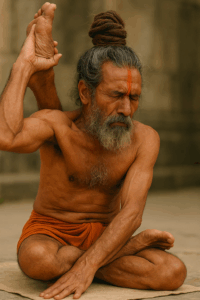

How Ancient Yoga Can Fix You?
Let’s be honest: working life today is exhausting. There are days when you jump from one meeting to another, barely pausing to eat, and by the time you shut your laptop at night, your back hurts, your mind is buzzing, and you can’t even remember what true “relaxation” feels like. I’ve been there too. And that’s exactly why I started exploring something most of us have heard of but rarely truly understand — ancient yoga.
What I discovered surprised me. Yoga isn’t just about twisting into difficult poses or touching your toes. At its core, it’s a system designed to reset your mind and body in the simplest ways possible — through breathing, gentle movement, and awareness. It’s like building an inner architecture of calm that you carry everywhere, even into stressful meetings and tight deadlines.
Here’s what changed for me when I started practicing consistently: My stress levels dropped — noticeably. Simple breathing exercises slowed my racing thoughts and helped me stay calm in moments that used to overwhelm me. I found myself focusing better, thinking more clearly, and not snapping under pressure. The back pain from sitting all day started easing too, and I didn’t feel as sluggish by late afternoon.
But beyond the physical relief, yoga gave me something I didn’t expect — resilience. I didn’t even realize how much I needed it until I felt it. That quiet strength to handle chaos without feeling like I was drowning became the real game-changer. Deadlines still came, unexpected problems still popped up, but my reactions were different. Instead of spiraling into panic or frustration, I noticed I could pause, breathe, and respond with a clearer head.
It’s funny — I thought yoga would just make me flexible. What it really did was make me flexible in my mind. It softened my tendency to overreact and gave me this buffer between what happens and how I respond to it. That carried over into how I interact with people too. I became more patient in meetings, less defensive during disagreements, and, honestly, more understanding of what others might be going through.
This emotional shift surprised me. I didn’t expect that holding a few poses and breathing deeply could spill over into better relationships — but it did. Work felt less like a battleground and more like a place where I could actually connect with others. And that’s something I never thought yoga would teach me.
Yoga: The Architecture of Peace
Yoga is not only about stretching or flexibility; it’s about building a foundation for inner calm. Like an architect carefully plans every part of a structure, yoga aligns breath, movement, and thought to create balance. For professionals constantly multitasking, this alignment is powerful. It trains the nervous system to stay composed even under pressure.
Simple practices like deep breathing (pranayama) can reduce anxiety within minutes. Postures (asanas) improve posture, reduce back pain, and release stored tension in the body—common complaints among those with desk jobs. Meditation sharpens focus, helping professionals make clearer decisions and stay grounded in high-stress situations.
More importantly, yoga nurtures emotional intelligence. It teaches patience, presence, and awareness—skills that are increasingly valuable in leadership, teamwork, and communication.
Peace is not a passive state; it is built through daily choices. Yoga offers the blueprint. It allows professionals to reconnect with their inner strength while facing the outer world with confidenc.